


OTC Medicine Pallets| Safe and effective
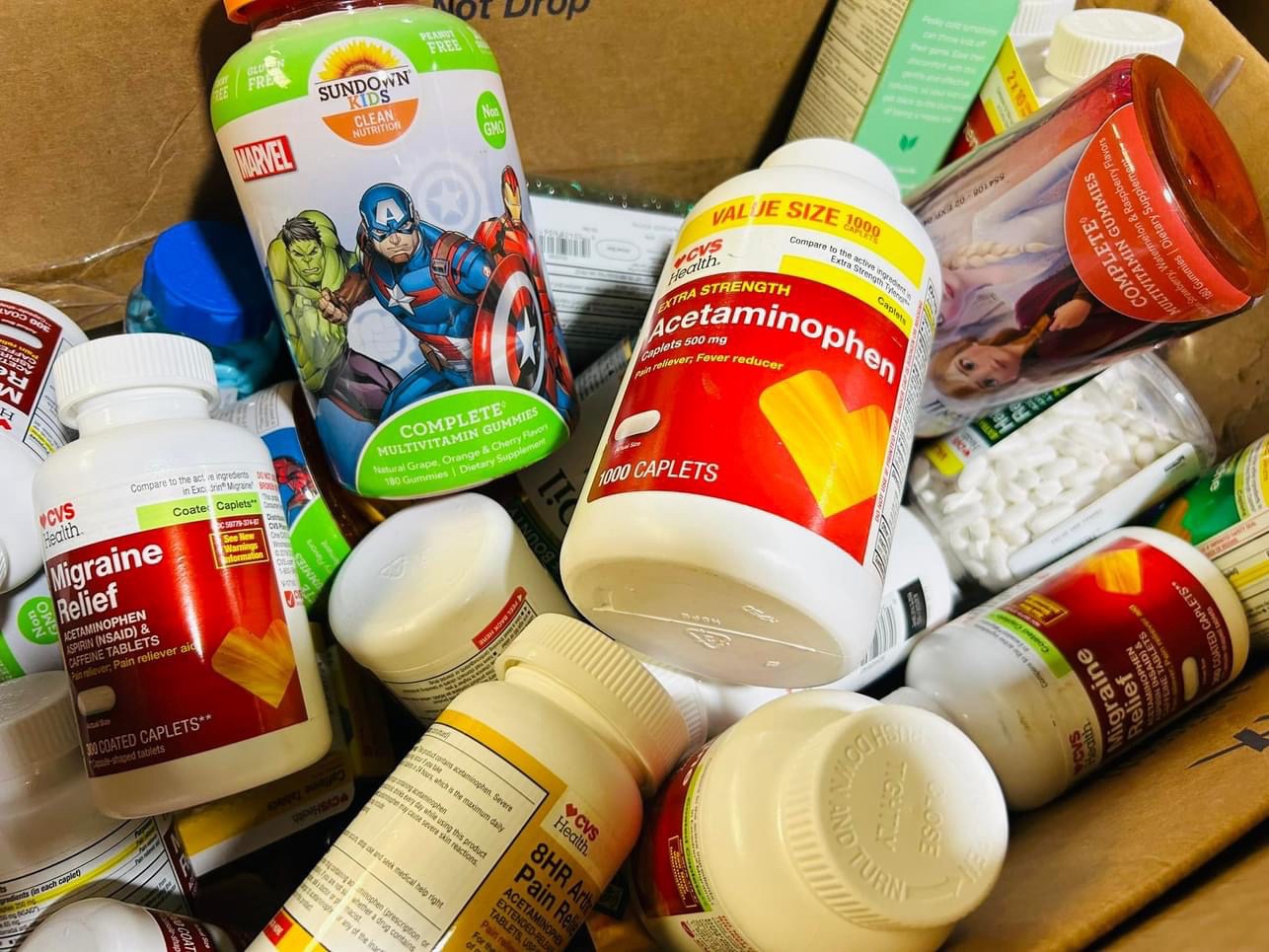
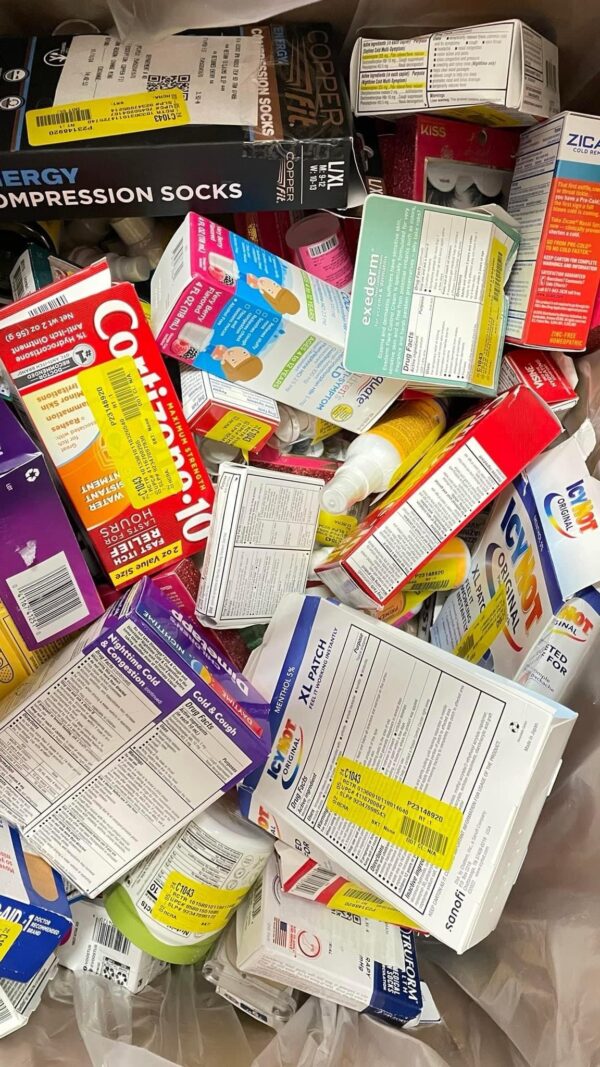
OTC Medicine Pallets are bulk assortments of over-the-counter (OTC) medications typically purchased by retailers, wholesalers, and businesses for resale or distribution. These pallets often include a variety of medications such as pain relievers, cold and flu remedies, vitamins, and first aid supplies.
key features OTC Medicine Pallets
1. Variety and Assortment
- Diverse Product Mix: Typically includes a range of OTC medications like:
- Pain relievers (e.g., acetaminophen, ibuprofen).
- Cold, flu, and allergy medications.
- Vitamins and supplements.
- Digestive aids (e.g., antacids, laxatives).
- Topical treatments (e.g., ointments, creams).
- First aid supplies (e.g., bandages, antiseptics).
- Brand and Generic Options: May include both well-known brands and private-label or generic medications.
2. Bulk Packaging
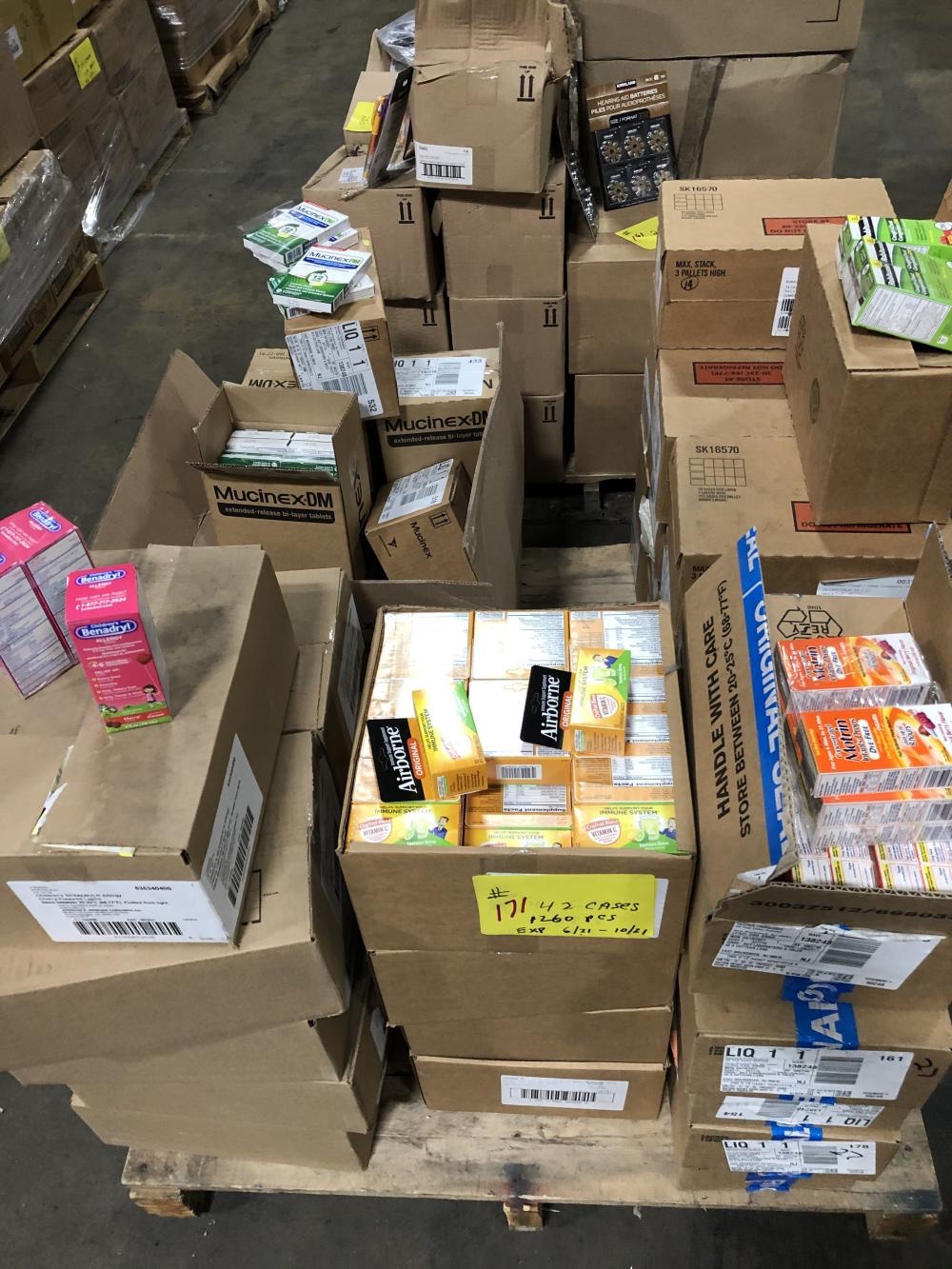
- Large Quantities: Pallets usually contain hundreds to thousands of individual units.
- Prepackaged Boxes: Products are often sorted into cartons or smaller boxes for easier handling and inventory.
3. Cost Efficiency
- Wholesale Pricing: Pallets are sold at discounted rates compared to individual retail prices, making them cost-effective for bulk purchases.
- Liquidation Deals: Sometimes offered as surplus or liquidation inventory, providing additional savings.
4. Compliance and Safety
- Expiration Dates: Products typically come with clear labeling of expiration dates to ensure safety and regulatory compliance.
- FDA-Regulated: Items in the U.S. must comply with FDA standards for OTC medications
Key features of OTC medicines:
1. Accessibility
- No Prescription Required: OTC medicines are available for purchase without a doctor’s prescription.
- Widespread Availability: Can be found in pharmacies, grocery stores, convenience stores, and online.
2. Common Uses
OTC medicines address a variety of everyday health conditions, including:
- Pain Relief: Headaches, muscle aches, arthritis, and general body pain (e.g., acetaminophen, ibuprofen).
- Cold and Flu Symptoms: Congestion, fever, sore throat, and cough (e.g., decongestants, antihistamines, cough suppressants).
- Allergies: Relief from seasonal or environmental allergies (e.g., loratadine, diphenhydramine).
- Digestive Issues: Indigestion, heartburn, diarrhea, and constipation (e.g., antacids, laxatives, anti-diarrheal medications).
- Skin Care: Minor burns, rashes, cuts, and acne treatments (e.g., hydrocortisone cream, benzoyl peroxide).
- Sleep Aids: Short-term relief for insomnia (e.g., melatonin, diphenhydramine).
- Vitamins and Supplements: For general health maintenance and nutritional needs.
3. Regulation and Safety
- FDA Approval: In the U.S., OTC medicines are regulated by the Food and Drug Administration (FDA) to ensure safety and effectiveness.
- Clear Labeling: Packaging includes detailed information such as active ingredients, dosage instructions, warnings, and potential side effects.
- Child-Resistant Packaging: Many OTC medicines come in packaging designed to prevent accidental ingestion by children.
4. Active Ingredients
- OTC medications often contain well-known active ingredients, such as:
- Acetaminophen: Pain relief and fever reduction.
- Ibuprofen: Pain relief, fever reduction, and anti-inflammatory effects.
- Pseudoephedrine: Nasal decongestion.
- Diphenhydramine: Allergy relief and sleep aid.
5. Dosage Forms
- Available in various forms to suit different preferences and needs:
- Tablets and Capsules: Easy to store and consume.
- Liquids and Syrups: Ideal for children and people who have difficulty swallowing pills.
- Topical Applications: Creams, ointments, and gels for skin conditions.
- Lozenges and Sprays: For throat and mouth symptoms.
- Powders: Dissolvable powders for fast absorption.
6. Cost-Effective
- Affordable Options: Generally less expensive than prescription medications.
- Generic Alternatives: Many OTC drugs have generic versions that are equally effective and more budget-friendly.
7. Limitations and Risks
- Mild to Moderate Conditions: Designed for treating non-severe, temporary conditions. Serious or persistent symptoms require professional medical advice.
- Side Effects: While generally safe, OTC medicines can have side effects or interactions with other drugs.
- Overuse Risks: Misuse or overuse can lead to health complications, such as liver damage from excessive acetaminophen.
8. Guidelines for Safe Use
- Follow Dosage Instructions: Use as directed on the label to avoid overdose or adverse effects.
- Check for Interactions: Be aware of potential interactions with prescription medications or other OTC drugs.
- Consult a Pharmacist or Doctor: For questions or if symptoms persist.
9. Popular OTC Categories
- Pain Relievers: Acetaminophen, ibuprofen, aspirin.
- Cold & Flu Remedies: Decongestants, antihistamines, cough suppressants.
- Allergy Medications: Loratadine, cetirizine, fexofenadine.
- Antacids: Calcium carbonate, omeprazole, ranitidine.
- First Aid: Antiseptics, hydrogen peroxide, bandages.



Reviews
There are no reviews yet.